
How Does Matter Protocol Impact EV Charger Compatibility in 2026?
The Matter protocol is fundamentally transforming EV charger compatibility in 2026 by establishing a unified communication standard that allows electric vehicle chargers from different manufacturers to work seamlessly together within smart home ecosystems. Matter eliminates the proprietary silos that previously fragmented the EV charging market, enabling homeowners to mix and match chargers, home energy management systems, and smart devices without worrying about compatibility issues. This open-standard approach reduces installation costs, simplifies system expansion, and gives consumers unprecedented flexibility in building their ideal charging infrastructure. By May 2026, Matter certification has become the industry benchmark, with major manufacturers including Tesla, ChargePoint, and Wallbox integrating Matter support into their latest charger models, fundamentally reshaping how homeowners approach EV charging automation and energy management.

Before Matter’s widespread adoption, EV charger compatibility was a nightmare for consumers. Different manufacturers used proprietary communication protocols—Tesla used its own ecosystem, ChargePoint relied on cloud-based APIs, and Wallbox implemented separate integrations. Homeowners couldn’t easily combine chargers from multiple brands or integrate them with popular smart home platforms like Apple HomeKit, Google Home, or Home Assistant. This fragmentation meant that achieving true smart home energy optimization required choosing chargers from the same manufacturer ecosystem or dealing with complex workarounds. The Matter protocol, developed by the Connectivity Standards Alliance (formerly the Zigbee Alliance), changed this landscape entirely. By creating a common language that all smart home devices can speak, Matter has enabled genuine interoperability. In 2026, this shift represents one of the most significant developments in residential energy management, directly impacting how homeowners can optimize their smart home energy management systems.
What Are the Key Technical Advantages of Matter for EV Chargers?
Matter protocol provides several critical technical advantages that directly improve EV charger functionality and user experience. The protocol operates on common wireless standards including Wi-Fi, Thread, and Bluetooth, ensuring that chargers can communicate reliably with smart home hubs and other devices. Unlike older proprietary systems that required cloud connectivity for basic operations, Matter chargers can function locally within your home network, dramatically improving response times and reliability. When your charger receives a command to adjust charging speed or pause operations, the response is nearly instantaneous rather than delayed by cloud server processing.
Local Network Processing and Reduced Latency
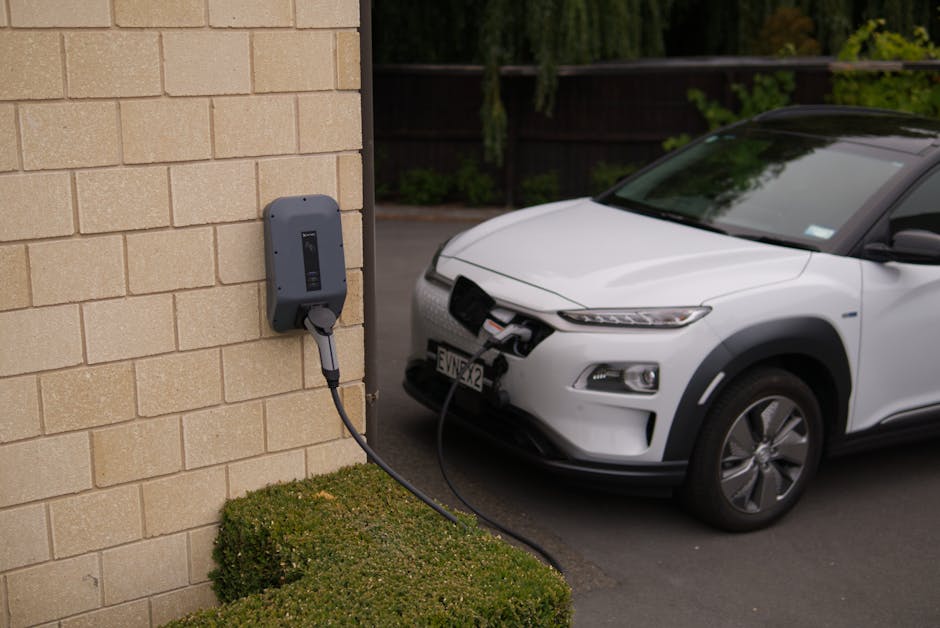
One of Matter’s most important advantages is local processing capability. Matter-enabled EV chargers can operate independently without constant cloud connectivity, meaning your charging system continues functioning even if your internet connection drops. This is particularly valuable for time-sensitive operations like excess solar management for EV charging optimization, where chargers need to respond instantly to fluctuating solar production. A Matter charger can receive real-time data about available solar power and adjust charging rates within milliseconds, maximizing clean energy usage without waiting for cloud server responses.
Enhanced Security and Privacy
Matter implements end-to-end encryption and certificate-based authentication, making EV charger networks significantly more secure than earlier proprietary systems. Each Matter device maintains its own security credentials, preventing unauthorized access to your charging infrastructure. This is critical because EV chargers connected to the internet represent potential security vulnerabilities if improperly secured. Matter’s security framework ensures that only authorized devices and users can control your charger, protecting both your equipment and personal charging data.
Simplified Device Pairing and Commissioning
Setting up Matter devices is dramatically simpler than configuring proprietary chargers. The standardized commissioning process uses QR codes and simple pairing procedures that work across all manufacturers. In 2026, installing a new EV charger takes minutes rather than hours, as you no longer need manufacturer-specific apps or complicated network configuration. This ease of setup has accelerated adoption rates and made upgrading or expanding charging infrastructure accessible to non-technical homeowners.
How Does Matter Integration Improve Smart Home Energy Management?
Matter protocol enables unprecedented integration between EV chargers and broader smart home energy systems, creating truly intelligent home energy ecosystems. Your charger can now communicate directly with home energy monitors that track solar production, allowing automatic load balancing that maximizes renewable energy usage. When your solar panels generate excess power, Matter-enabled chargers automatically increase charging rates. When cloud cover reduces solar output, chargers intelligently reduce charging speed to prevent grid overload.
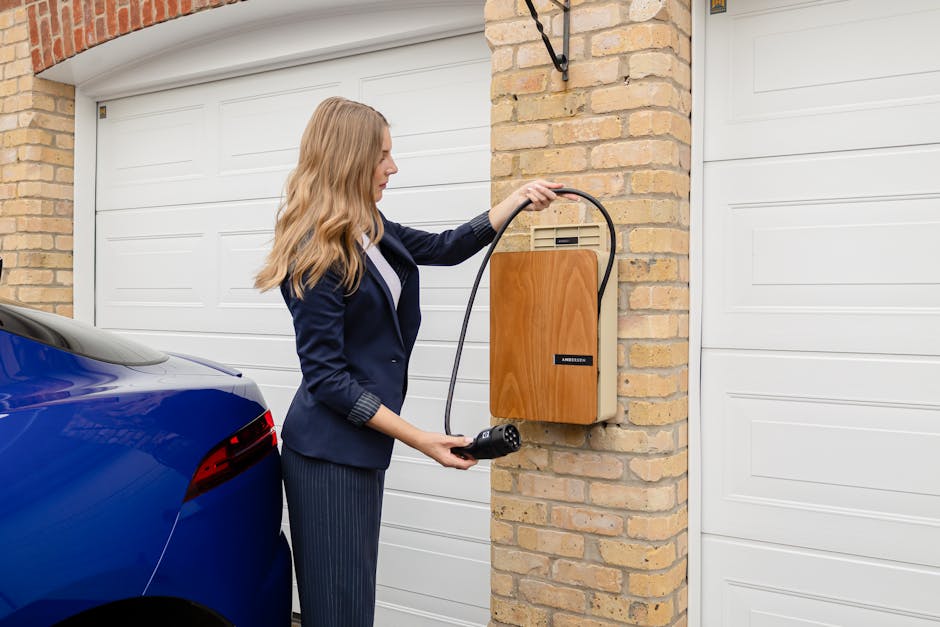
This integration extends to demand response programs where utilities can communicate directly with Matter chargers during peak demand periods, asking vehicles to pause charging temporarily in exchange for lower rates. Homeowners benefit from reduced electricity bills while helping stabilize the grid during high-demand periods. Your charger becomes part of a coordinated energy management system rather than an isolated appliance.
Matter also enables sophisticated scheduling and automation rules that work across your entire smart home. You can create automations where your charger starts charging during off-peak hours, pauses when your HVAC system runs, or adjusts speed based on real-time electricity pricing. These capabilities transform your home into an intelligent energy consumer that optimizes consumption patterns automatically. Integration with other smart home devices like smart water leak sensors and smart blinds and shades creates a comprehensive ecosystem where all devices work together to minimize energy waste.
What Compatibility Challenges Still Exist Despite Matter Adoption?
While Matter has dramatically improved EV charger compatibility, some challenges remain as of May 2026. Not all charger manufacturers have fully implemented Matter support, particularly older models manufactured before 2024. Legacy chargers without Matter certification continue operating in proprietary ecosystems, creating mixed environments where some devices speak Matter and others don’t. Homeowners with existing non-Matter chargers face decisions about whether to replace equipment or use bridge devices that translate between protocols.
Firmware Updates and Backward Compatibility
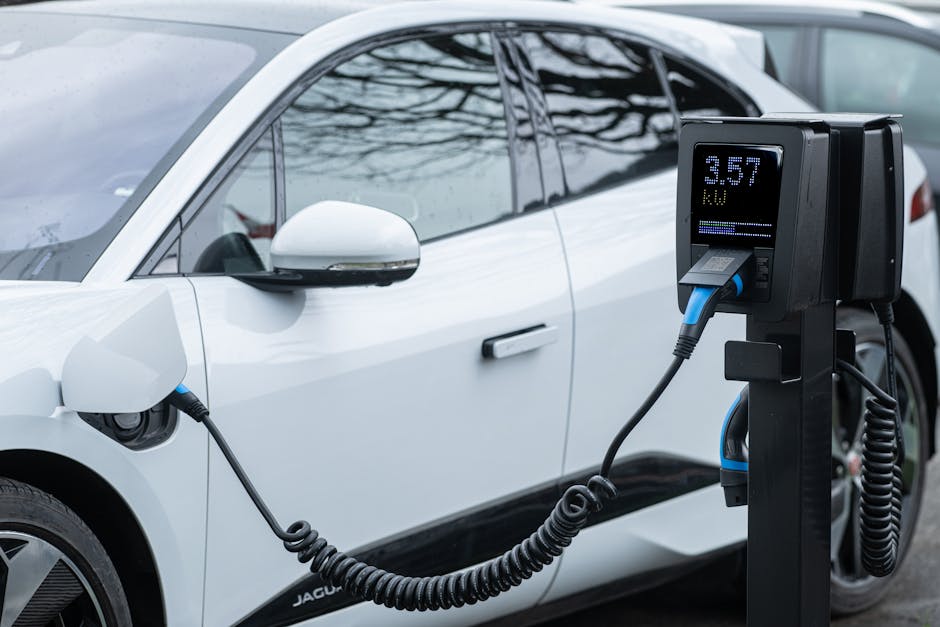
Some chargers released before Matter standardization have received firmware updates adding Matter support, but not all manufacturers prioritize these updates. Chargers from smaller regional manufacturers may never receive Matter certification, limiting options for homeowners in certain markets. Additionally, Matter itself continues evolving, with new features and capabilities added regularly. Ensuring all devices remain compatible as the standard evolves requires ongoing firmware maintenance from manufacturers.
Regional Regulatory Variations
Different countries and regions have varying electrical codes and safety requirements for EV chargers. While Matter provides communication standardization, it doesn’t address underlying regulatory differences. A Matter charger certified in Europe may not meet North American electrical codes, requiring separate certification processes. Homeowners moving between regions may need different chargers despite Matter compatibility, as physical and electrical specifications vary by jurisdiction.
Interoperability with Non-Matter Smart Home Systems
While Matter is becoming dominant, some smart home platforms still operate on proprietary systems. Homes using older Apple HomeKit setups, Google Home ecosystems, or Home Assistant installations may experience limited functionality when integrating Matter chargers if their hub doesn’t fully support the latest Matter specifications. Ensuring seamless operation across all platforms requires users to maintain current hub firmware and stay informed about compatibility updates.
How Do You Optimize EV Charger Setup Using Matter Protocol?
Setting up a Matter-enabled EV charger in 2026 requires strategic planning to maximize compatibility and functionality. Start by auditing your existing smart home infrastructure. Determine which devices already support Matter and which require replacement or bridge devices. Your smart home hub is critical—it must support Matter to enable local processing and automation. Popular options in 2026 include Apple HomePod mini, Google Home Hub Max, and Home Assistant with Matter support. If your current hub doesn’t support Matter, upgrading should be your first priority before installing a new charger.
Selecting Compatible Chargers and Accessories
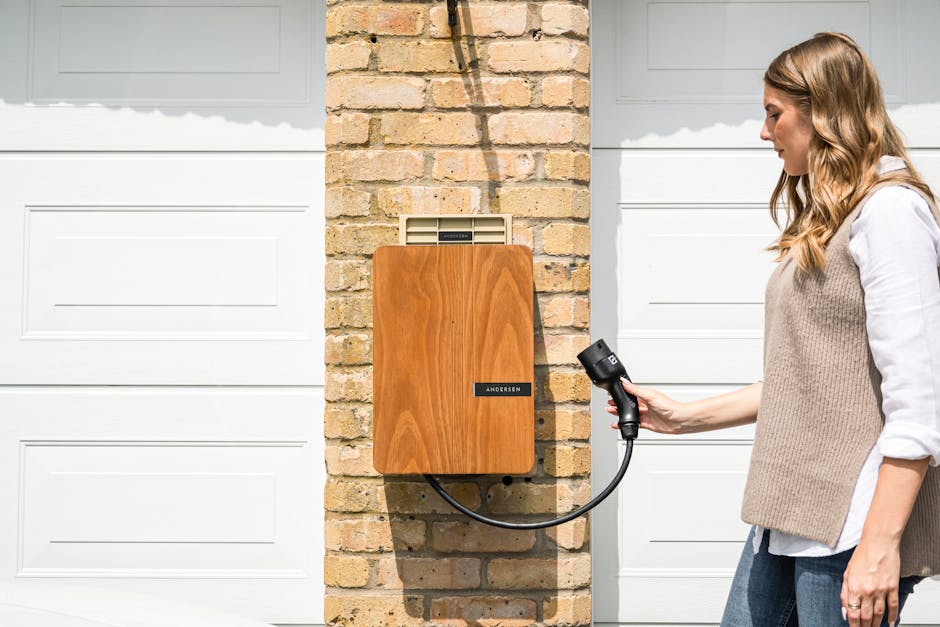
When choosing an EV charger, verify Matter certification from the Connectivity Standards Alliance website. Look for chargers that support your electrical service capacity—most residential installations require either 208V or 240V service. Consider whether you want hardwired installation or a portable unit, as this affects compatibility with certain smart home features. Popular Matter-certified chargers in 2026 include models from Tesla, ChargePoint, Wallbox, and Siemens. Research which charger integrates best with your specific smart home platform, as some manufacturers provide deeper integration with certain ecosystems.
Configuring Local Processing and Automations
Once your charger is installed and commissioned, configure local processing to eliminate cloud dependency. Access your smart home hub’s settings and ensure the charger is registered for local control rather than cloud-only operation. Create automation rules that optimize your charging patterns. If you have solar panels, set up automations that increase charging speed when solar production exceeds home consumption. Configure time-based automations that charge during off-peak utility hours when electricity rates are lowest. These automations should reference your smart home energy dashboard to make decisions based on real-time consumption data.
Integrating with Demand Response Programs
Contact your utility provider to inquire about demand response programs compatible with Matter chargers. Many utilities offer rebates or rate discounts for customers who allow remote charging management during peak demand periods. Enrolling in these programs requires authorizing your charger to receive signals from the utility, but the financial benefits often justify the minor privacy trade-off. Utilities can then coordinate charging across thousands of vehicles to smooth demand peaks and reduce strain on the electrical grid.
Monitoring and Maintenance
Establish a routine for monitoring your charger’s performance through your smart home dashboard. Track charging sessions, energy consumption, and cost data to identify optimization opportunities. Ensure firmware updates are applied promptly when manufacturers release them, as updates often include performance improvements and security patches. Check your charger’s connection status regularly—if it shows as offline, troubleshoot connectivity issues immediately to prevent disruption to your charging routine. Document your automation rules and settings so you can quickly reconfigure them if you upgrade hardware.
What Common Mistakes Should You Avoid When Implementing Matter EV Chargers?
Many homeowners make preventable mistakes when setting up Matter EV chargers, reducing functionality and creating frustration. The most common error is installing a charger without first upgrading to a Matter-compatible smart home hub. Chargers function as standalone devices without a compatible hub, but you lose all the intelligent automation and integration benefits that justify upgrading to Matter in the first place. Before purchasing a charger, verify your hub supports Matter and update its firmware to the latest version.
Another frequent mistake is mixing Matter and non-Matter devices without understanding the limitations. If you combine a Matter charger with older non-Matter smart home devices, you lose the unified control and automation capabilities that make Matter valuable. Plan your entire smart home upgrade strategy before installing individual devices, ensuring all components support Matter or have clear upgrade paths.
Homeowners also frequently overlook electrical service capacity, attempting to install chargers that exceed their home’s available amperage. This creates safety hazards and requires expensive electrical panel upgrades. Before purchasing any charger, have a licensed electrician evaluate your electrical service and recommend appropriate charger capacity. Similarly, failing to configure local processing is a common oversight. Many users leave chargers in cloud-only mode, defeating the purpose of Matter’s local network capabilities. Spend time configuring local control during initial setup.
Finally, many people install chargers without creating automation rules, treating them as simple charging appliances rather than intelligent energy management devices. Matter chargers only deliver their full value when integrated into broader home energy strategies. Invest time in setting up automations that align with your utility’s peak demand windows, your solar production patterns, and your vehicle’s charging schedule.
How Does Matter Protocol Compare to Previous EV Charger Standards?
Understanding how Matter improves upon previous standards helps contextualize its impact. Before Matter, EV chargers primarily used proprietary communication protocols or basic industry standards like the SAE J1772 connector. The SAE standard defined physical charging connections but didn’t address smart communication between chargers and home energy systems. Manufacturers developed proprietary apps and cloud platforms to enable remote monitoring and scheduling, creating the fragmented ecosystem that frustrated consumers.
The OpenADR (Open Automated Demand Response) standard attempted to standardize demand response communication, but it primarily served utility-to-building communication rather than device-to-device interaction within homes. Zigbee and Z-Wave protocols offered home automation capabilities but never achieved widespread EV charger adoption. Matter succeeds where previous standards failed by combining broad industry support, modern security architecture, and seamless integration with existing smart home platforms. In 2026, Matter has become the de facto standard, with regulatory bodies in the EU and North America increasingly requiring Matter certification for new chargers.
What Future Developments in Matter for EV Chargers Are Expected Beyond 2026?
The Matter protocol continues evolving with new features planned for release beyond 2026. Upcoming specifications will likely include bidirectional charging support, enabling vehicles to feed power back to homes or the grid during peak demand periods. This vehicle-to-home (V2H) and vehicle-to-grid (V2G) functionality will transform EVs from simple energy consumers into distributed battery resources that stabilize the electrical grid. Matter’s standardized communication framework will be essential for safely managing these complex power flows.
Enhanced energy pricing integration is another anticipated development. Future Matter specifications may include standardized protocols for real-time electricity pricing, allowing chargers to automatically adjust charging rates based on current market prices. This would enable sophisticated arbitrage strategies where vehicles charge during low-price periods and provide power during high-price periods, maximizing financial returns for homeowners while supporting grid stability.
Improved battery management features are also likely, with Matter chargers gaining the ability to optimize charging patterns based on battery health and longevity. Chargers could adjust charging speeds, temperatures, and timing to extend battery lifespan, providing value to vehicle owners while reducing overall energy consumption.
Frequently Asked Questions
What exactly is the Matter protocol and why does it matter for EV chargers?
Matter is an open-standard communication protocol developed by the Connectivity Standards Alliance that enables smart home devices from different manufacturers to communicate seamlessly. For EV chargers, Matter eliminates proprietary silos, allowing chargers from Tesla, ChargePoint, Wallbox, and others to work together within unified smart home ecosystems. This standardization reduces costs, simplifies installation, and enables sophisticated energy management automations that weren’t possible with fragmented proprietary systems.
Do all EV chargers support Matter in 2026?
Not all EV chargers support Matter as of May 2026, though adoption is widespread among new models. Major manufacturers like Tesla, ChargePoint, Wallbox, and Siemens have released Matter-certified chargers, but older models and chargers from smaller manufacturers may lack Matter support. Before purchasing, verify Matter certification from the Connectivity Standards Alliance. Legacy chargers can sometimes receive Matter support through firmware updates, but not all manufacturers prioritize these updates.
Can I use a Matter EV charger without upgrading my smart home hub?
Technically yes, but you’ll lose most benefits. Matter chargers function as standalone devices without a compatible hub, but you lose local processing, automations, and integration with other smart home devices. To fully leverage Matter’s capabilities, you need a Matter-compatible hub like Apple HomePod mini, Google Home Hub Max, or Home Assistant. Upgrading your hub should be your first step before installing a Matter charger.
How much does upgrading to Matter EV chargers cost compared to older systems?
Matter chargers typically cost 10-15% more than non-Matter models, but the price difference continues narrowing as adoption increases. Installation costs are often lower because Matter chargers require simpler setup and commissioning. Many utility companies offer rebates for Matter charger installations, offsetting the initial premium. When factoring in energy savings from optimized charging and demand response program incentives, Matter chargers often pay for themselves within 3-5 years.
What happens if my internet connection drops with a Matter EV charger?
Matter chargers continue functioning normally during internet outages because they process commands locally rather than through cloud servers. Your charger will keep charging your vehicle without interruption. However, you’ll lose remote monitoring and cloud-based automations until connectivity restores. This local processing capability is one of Matter’s key advantages over older cloud-dependent systems, making your charging infrastructure more reliable.
Can Matter chargers integrate with solar panels for automatic optimization?
Yes, Matter chargers integrate seamlessly with solar monitoring systems and home energy management platforms. When your solar panels generate excess power, Matter chargers automatically increase charging rates, maximizing clean energy usage. This integration works through your smart home hub, which receives real-time solar production data and adjusts charger behavior accordingly. This capability is central to modern excess solar management for EV charging optimization.
Is Matter Protocol Worth Adopting for Your EV Charging Infrastructure?
The Matter protocol represents a genuine paradigm shift in EV charger compatibility and smart home integration, making it worth adopting for most homeowners planning charger installations in 2026 and beyond. The standardization benefits—local processing, simplified setup, enhanced security, and seamless integration with other smart home devices—create substantial value that extends far beyond basic charging functionality. If you’re building a comprehensive smart home energy management system, Matter compatibility becomes essential rather than optional.
The financial case for Matter adoption strengthens when you factor in utility rebates, demand response program incentives, and energy savings from optimized charging patterns. Many utilities now prioritize rebates for Matter-certified chargers, effectively subsidizing your upgrade. These incentives, combined with reduced installation complexity and long-term energy savings, typically justify the modest premium that Matter chargers command over older systems.
However, if you’re installing a basic charger for straightforward vehicle charging without smart home integration ambitions, the added cost of Matter certification may not justify the investment. Legacy chargers still function reliably for basic charging needs, though they lack the optimization capabilities that maximize energy efficiency.
The strongest case for Matter adoption exists for homeowners who are simultaneously upgrading their broader smart home infrastructure. If you’re installing solar panels, upgrading your energy management system, or investing in smart home energy management systems, adding a Matter-certified EV charger creates synergies that dramatically amplify the value of your entire smart home investment. Your charger becomes a critical component of an integrated ecosystem that optimizes energy consumption across your entire home.
Looking forward, Matter adoption positions you well for future developments like vehicle-to-home power transfer and advanced demand response programs. Investing in Matter-certified infrastructure now ensures compatibility with emerging technologies that will further enhance energy management capabilities. In the context of 2026’s evolving energy landscape, Matter protocol adoption represents a forward-thinking investment in home energy optimization that delivers immediate benefits while future-proofing your infrastructure against technological obsolescence.








Write Your Review
No reviews yet. Be the first to share your experience!