
What Is Circadian Lighting and Why Does It Matter?
Circadian lighting mimics natural sunlight patterns to regulate your body’s internal clock and improve sleep quality. By adjusting light color temperature and brightness throughout the day, circadian lighting helps align your circadian rhythm with your environment. This system reduces sleep disruption, boosts daytime alertness, and enhances overall wellness. Most experts recommend implementing circadian lighting in bedrooms, living spaces, and home offices for maximum benefits. In June 2026, smart lighting technology makes this setup more accessible and affordable than ever before.
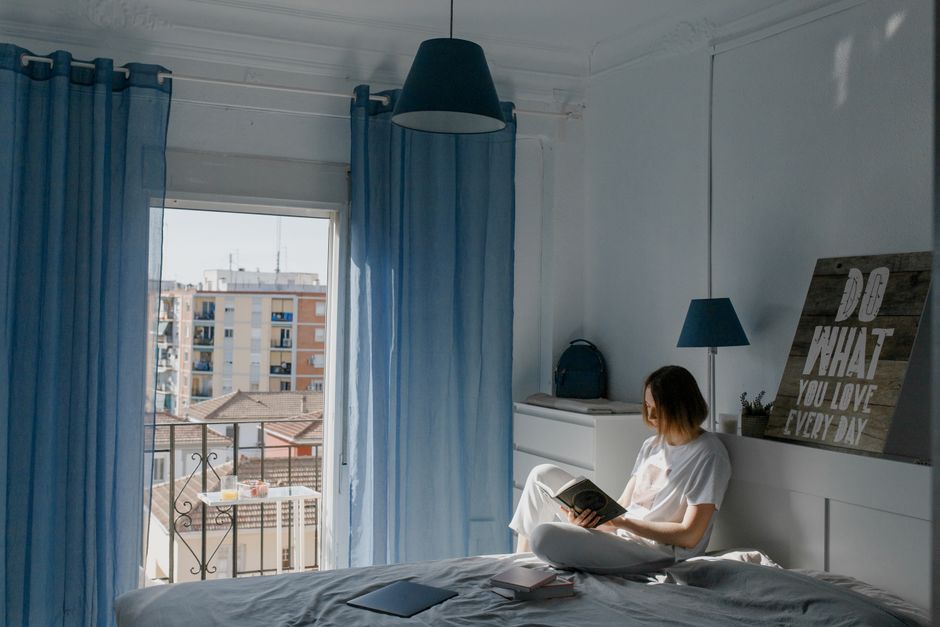
Your body’s circadian rhythm is a 24-hour cycle that controls sleep, hormone production, and metabolism. Natural light exposure triggers biological processes that keep this rhythm synchronized. Modern indoor living—with artificial lighting and screen time—disrupts this natural pattern. Circadian lighting systems restore balance by delivering cool, bright light during morning hours and warm, dim light in evenings. Research from the National Institutes of Health confirms that proper light exposure significantly improves sleep architecture and daytime function.
Key Takeaway: Circadian lighting aligns artificial light with your body’s natural rhythm, improving sleep and daytime energy.
How Do You Understand the Science Behind Circadian Lighting?
Your eyes contain specialized photoreceptors called intrinsically photosensitive retinal ganglion cells that detect light wavelengths. These cells send signals to your brain’s suprachiasmatic nucleus, which controls melatonin production and body temperature. Blue light (5000K–6500K color temperature) signals daytime and suppresses melatonin. Warm light (2700K–3000K) signals evening and promotes melatonin release. Understanding this science helps you choose the right lighting setup for your home.
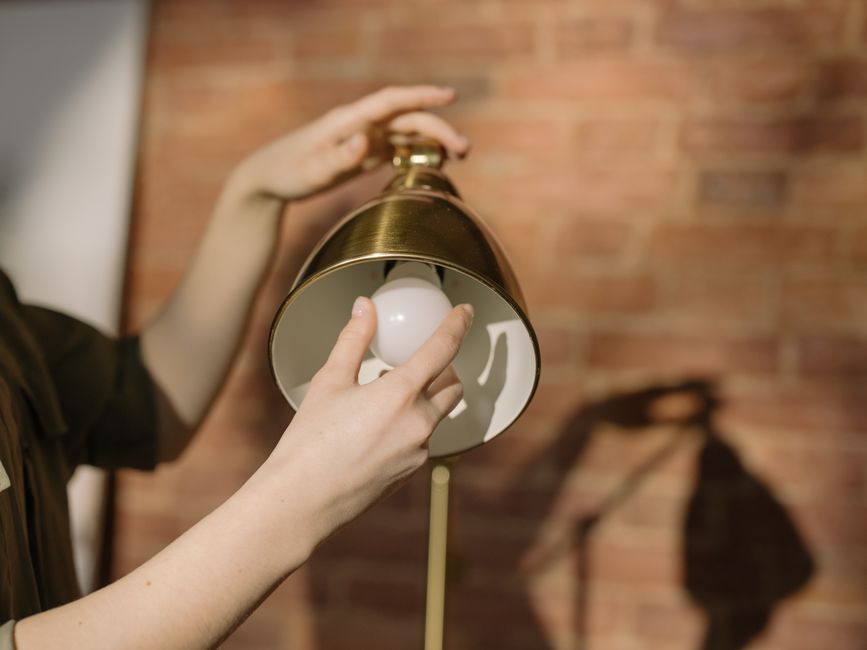
Circadian lighting works in three phases throughout the day:
- Morning (6 AM–9 AM): Cool, bright light (5000K–6500K) activates alertness and cortisol production.
- Midday (9 AM–3 PM): Maintain bright, neutral light (4000K–5000K) for peak cognitive performance.
- Evening (3 PM–bedtime): Gradually shift to warm light (2700K–3000K) to prepare for sleep.
The Role of Color Temperature
Color temperature, measured in Kelvin (K), defines light’s warmth or coolness. Lower values (2700K) appear orange and warm. Higher values (6500K) appear blue and cool. Your circadian system is most sensitive to blue wavelengths around 460–480 nanometers. Smart bulbs that adjust color temperature throughout the day provide the most effective circadian support. Most modern systems allow gradual transitions to prevent sudden shifts that disrupt your eyes.
Key Takeaway: Color temperature directly influences melatonin production; cool morning light and warm evening light optimize your circadian rhythm.
What Equipment Do You Need to Set Up Circadian Lighting?
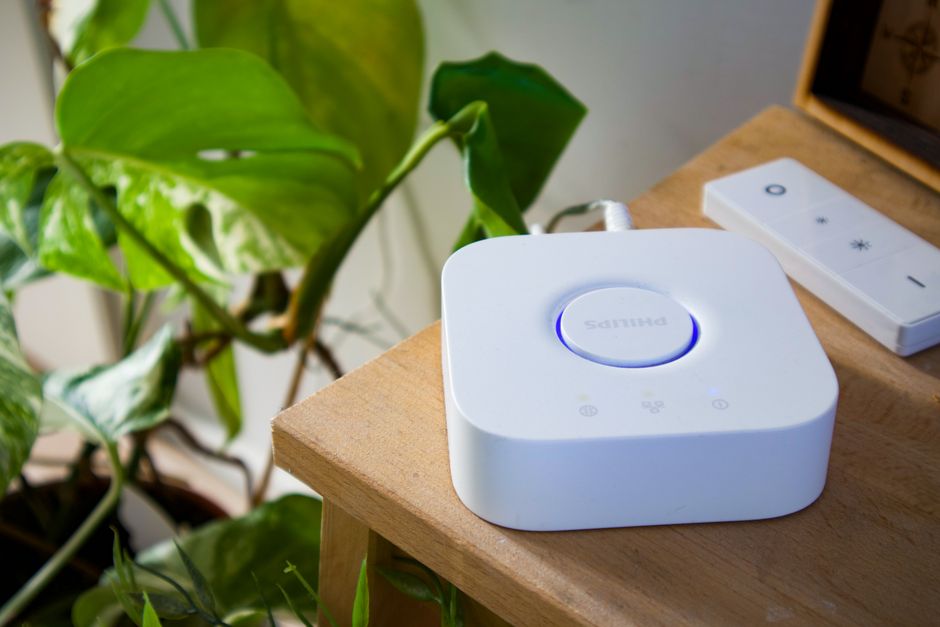
Setting up circadian lighting requires smart bulbs, a compatible hub or app, and optional sensors. Smart bulbs with tunable white technology adjust color temperature automatically. A smart home hub coordinates scheduling across multiple rooms. Motion sensors and light sensors can trigger circadian scenes based on occupancy and ambient light. Most systems work with voice assistants like Alexa or Google Home for convenient control.

Essential equipment for circadian lighting setup:
- Tunable white smart bulbs: LED bulbs that adjust from warm (2700K) to cool (6500K) tones.
- Smart home hub: Central device like Amazon Echo or Apple HomePod to coordinate lighting schedules.
- Smartphone app: Control interface for creating custom circadian scenes and schedules.
- Optional sensors: Motion and light sensors for automated adjustments based on occupancy and natural light.
- Wireless connectivity: WiFi or Zigbee/Z-Wave protocol for device communication.
Choosing the Right Smart Bulbs
Look for bulbs labeled “tunable white” or “color-adjustable” with a range from 2700K to 6500K. Popular brands include Philips Hue, LIFX, Nanoleaf, and Wyze. Verify compatibility with your chosen hub or app before purchasing. Some bulbs work with multiple platforms, offering flexibility. Check lumens (brightness) ratings to ensure adequate light for your space. In June 2026, most quality smart bulbs cost $15–$40 per bulb and last 15,000–25,000 hours.
Key Takeaway: Invest in tunable white smart bulbs compatible with your chosen smart home platform for seamless circadian control.
How Do You Install and Configure Your Circadian Lighting System?
Installation begins with replacing standard bulbs with smart bulbs in key rooms. Start with bedrooms and living areas where circadian lighting has the greatest impact. Follow the manufacturer’s instructions to connect each bulb to your WiFi network or smart hub. Most bulbs pair within minutes using a smartphone app. Once paired, create circadian scenes that automatically adjust light throughout the day. Test your schedule for one week and refine settings based on your sleep quality and daytime energy.
Step-by-Step Installation Process
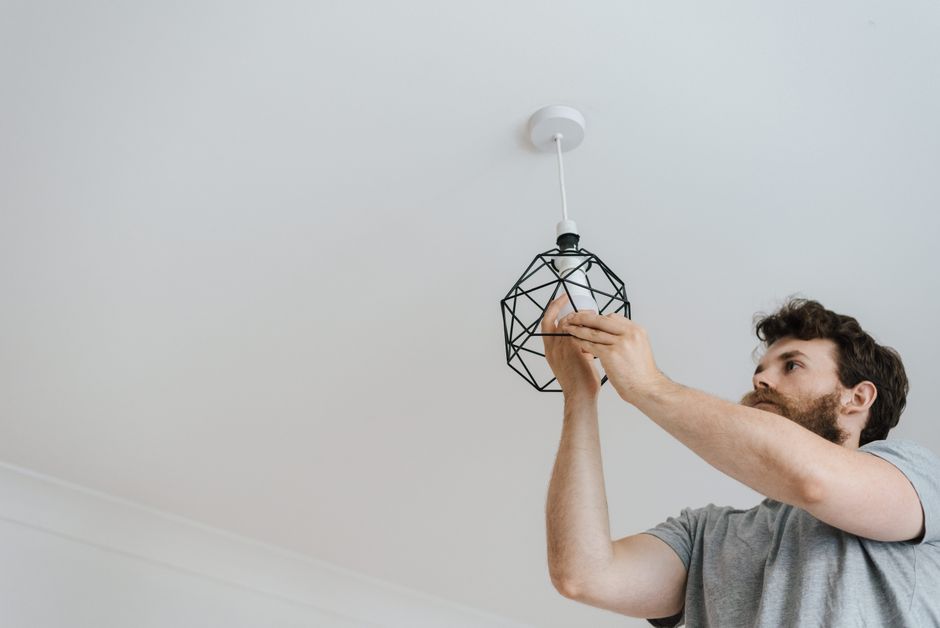
Begin by powering off lights at the wall switch before removing old bulbs. Install new smart bulbs in fixtures, then restore power. Open the manufacturer’s app and select “Add Device” or “Pair Bulb.” Hold your phone near the bulb and follow on-screen prompts. The app will assign the bulb to a room and connect it to your network. Repeat for all bulbs you’re installing. Once all bulbs are paired, proceed to scheduling.
- Turn off power at the wall switch before replacing bulbs.
- Screw smart bulbs into fixtures securely.
- Restore power and open the manufacturer’s app.
- Follow pairing instructions for each bulb.
- Assign bulbs to specific rooms in the app.
- Test each bulb to confirm connectivity.
Creating Your Circadian Schedule
Most smart lighting apps allow you to create custom schedules or use pre-built circadian templates. Set your wake time (typically 6–7 AM) and bedtime (typically 10–11 PM). The app will automatically generate a lighting curve that transitions color temperature and brightness throughout your day. You can manually adjust individual times and intensities to match your personal schedule. Save your schedule and enable automation so changes occur daily without manual input.
For optimal results, use the following baseline schedule:
- 6:00–7:00 AM: Gradually brighten to 100% at 6500K (cool, energizing blue).
- 7:00 AM–3:00 PM: Maintain 100% brightness at 5000K (neutral white).
- 3:00–8:00 PM: Gradually dim to 50% while shifting to 3500K (warm amber).
- 8:00 PM–bedtime: Further dim to 20% at 2700K (soft, warm light).
- Bedtime–6:00 AM: Lights off or minimal red-spectrum light only.
Key Takeaway: Follow a gradual transition schedule that mirrors natural daylight patterns for maximum circadian alignment.
What Advanced Features Enhance Your Circadian Lighting Setup?
Advanced features like geofencing, voice control, and sensor integration elevate your circadian system. Geofencing automatically adjusts lighting when you arrive home or leave. Motion sensors trigger circadian scenes in specific rooms. Light sensors detect natural sunlight and adjust artificial light accordingly to prevent overstimulation. Voice commands through Alexa or Google Home allow manual overrides when needed. Integration with sleep tracking apps provides personalized recommendations based on your actual sleep data.
Voice Control Integration
Voice assistants make circadian lighting more intuitive and accessible. Say “Alexa, set evening mode” to trigger your warm, dim lighting scene. Create custom voice commands for different times of day or activities. For detailed voice control setup, refer to our guide on how to control smart lights with voice commands in 2026. Voice control works seamlessly with most major smart bulb brands available in June 2026.
Key Takeaway: Voice control and sensor integration automate circadian adjustments, requiring minimal manual intervention.
How Do You Optimize Circadian Lighting for Different Rooms?
Different rooms require different circadian lighting strategies based on their function and usage patterns. Bedrooms need the most aggressive evening dimming and warm color shifts. Home offices benefit from bright, cool morning light to enhance focus. Living rooms should balance circadian benefits with ambiance preferences. Bathrooms need quick morning brightness to support wake-up routines. Kitchens work well with neutral, energizing light throughout the day.
Bedroom Circadian Setup
Bedrooms are where circadian lighting has the greatest impact on sleep quality. Implement the strictest evening dimming protocol, reaching 2700K and 10–20% brightness by 9 PM. Consider installing dimmable smart bulbs in bedside lamps and overhead fixtures. Use red-spectrum-only lighting (if available) one hour before sleep to minimize melatonin suppression. Keep bedroom lights completely off during sleep hours. Avoid using screens one hour before bed to prevent blue light exposure that counteracts your circadian setup.
Home Office Circadian Setup
Home offices benefit from bright, cool light during work hours to maximize alertness and productivity. Start mornings at 6500K brightness to activate focus. Maintain this cool, bright setting through afternoon work sessions. Gradually shift to warmer light after 5 PM if you work evening hours. This prevents the “afternoon slump” many remote workers experience. Position lights to minimize screen glare while maintaining proper circadian stimulation. For additional productivity tips, see our article on how to use smart lights for ambiance and mood in 2026.
- Bedroom: Aggressive evening dimming to 2700K and 10–20% brightness by 9 PM.
- Home office: Bright, cool light (6500K) during work hours for focus and alertness.
- Living room: Balanced approach with moderate dimming in evenings.
- Kitchen: Neutral, bright light (4000K–5000K) throughout the day for food preparation.
- Bathroom: Quick morning brightness (6500K) to support wake-up routines.
Key Takeaway: Tailor circadian schedules to each room’s function for maximum health and productivity benefits.
What Practical Tips Help You Succeed With Circadian Lighting?
Successful circadian lighting implementation requires consistent habits and realistic expectations. Start with one or two rooms before expanding to your entire home. Give your body two to three weeks to adjust to the new lighting pattern. Track your sleep quality using a sleep app or journal to measure improvements. Avoid bright light exposure after 9 PM, including screens and overhead lights. Combine circadian lighting with other sleep hygiene practices like consistent bedtimes and cool room temperatures for optimal results.
Implementation Timeline and Expectations
Week one focuses on system setup and initial schedule creation. You may notice slight adjustments needed during this phase. Week two brings increased awareness of light’s impact on your energy levels. Most people report improved morning alertness by week three. Sleep quality improvements typically appear after four to six weeks as your circadian rhythm stabilizes. Be patient—your body needs time to recalibrate to consistent light cues. Keep detailed notes on sleep quality, mood, and daytime energy to track progress objectively.
- Week 1: Install bulbs, create schedule, test all connections and automations.
- Week 2–3: Observe changes in morning alertness and evening sleepiness.
- Week 4–6: Notice improvements in sleep quality and overall sleep duration.
- Week 6+: Fine-tune schedules based on your body’s response and seasonal changes.
Troubleshooting Common Issues
If you experience sleep disruption after setup, your evening light may be too bright or too cool. Reduce evening brightness to 10% and shift color temperature earlier (by 7 PM instead of 8 PM). If morning alertness doesn’t improve, increase morning brightness to 100% and ensure cool light reaches 6500K. WiFi connectivity issues can prevent automatic scheduling; move your router closer to lights or use a dedicated smart home hub. If bulbs disconnect frequently, check for interference from other wireless devices or consider upgrading to a mesh WiFi system.
Key Takeaway: Adjust schedules gradually based on your body’s response, and expect meaningful improvements within four to six weeks.
How Do You Integrate Circadian Lighting With Other Smart Home Systems?
Circadian lighting works best when integrated with other smart home devices and routines. Connect your lighting system to your smart home hub for centralized control. Create “scenes” that combine lighting with temperature, window blinds, and sound for complete circadian support. Integrate with sleep tracking devices to receive personalized recommendations. For comprehensive smart home setup guidance, explore our article on how to set up smart home devices for the first time in 2026.
Multi-Platform Integration
Most circadian lighting systems work with multiple smart home platforms including Amazon Alexa, Google Home, and Apple HomeKit. Choose a primary platform that supports your bulbs and other devices. Create routines within your chosen platform that trigger circadian scenes automatically. If using multiple platforms, ensure devices communicate through a compatible smart home hub. For detailed integration instructions, see our guide on how to connect multiple smart home brands together in 2026.
- Amazon Alexa: Create routines that trigger circadian scenes at specific times or voice commands.
- Google Home: Use automation rules to adjust lighting based on time of day and location.
- Apple HomeKit: Set up automations with HomeKit scenes for seamless circadian control.
- Manufacturer apps: Use native apps for fine-tuned control and advanced scheduling features.
Key Takeaway: Integrate circadian lighting with your smart home hub and other devices for fully automated, coordinated control.
What Are the Health Benefits of Circadian Lighting?
Circadian lighting delivers measurable health benefits backed by scientific research. Improved sleep quality is the primary benefit, with most users reporting deeper, more restorative sleep. Enhanced daytime alertness and cognitive function follow naturally from better nighttime rest. Circadian lighting also supports healthy hormone production, including melatonin and cortisol. Some studies suggest circadian alignment improves mood, reduces seasonal depression, and supports metabolic health. For optimal wellness benefits, maintain consistent lighting schedules even on weekends.
Research from the Sleep Foundation confirms that proper light exposure improves sleep onset time, sleep duration, and sleep continuity. Users with circadian lighting systems report falling asleep 15–30 minutes faster than before implementation. Morning alertness improves within two weeks for most users. These benefits compound over time as your circadian rhythm becomes more strongly synchronized with your lighting schedule.
Key Takeaway: Circadian lighting improves sleep quality, daytime alertness, and overall health through synchronized light exposure.
Is Setting Up Circadian Lighting Worth the Investment in 2026?
Circadian lighting systems offer excellent value for health-conscious homeowners. Initial investment ranges from $100–$400 depending on room count and bulb quality. This cost is recouped through improved sleep, increased productivity, and potential healthcare savings. Smart bulbs last 15,000–25,000 hours (15+ years), making per-bulb cost minimal over time. Energy savings from LED technology further offset initial expenses. Given the significant health benefits and long-term durability, circadian lighting represents a worthwhile investment for most households.
In June 2026, smart bulb prices have decreased significantly compared to previous years. Quality tunable white bulbs cost $15–$40 each, down from $50–$80 in earlier years. Smart home hubs that coordinate circadian lighting cost $30–$100. Many users start with a single room and expand gradually, spreading costs over time. The health benefits—better sleep, improved mood, increased daytime energy—justify the investment for anyone struggling with sleep quality or circadian misalignment.
Key Takeaway: Circadian lighting is a cost-effective long-term investment in sleep quality and overall health.
Frequently Asked Questions
Can I set up circadian lighting without a smart home hub?
Yes, many smart bulbs work directly with smartphone apps via WiFi without requiring a dedicated hub. However, hubs provide more reliable automation and faster response times. Hubs also enable voice control and integration with other smart devices. For detailed guidance, see our article on how to make your home smart without a hub in 2026. Most experts recommend hubs for circadian lighting due to improved reliability.
What color temperature should I use for evening lighting?
Evening lighting should gradually shift from 4000K at 3 PM to 3000K by 8 PM, reaching 2700K one hour before bedtime. Brightness should decrease from 50% to 10–20% during the same period. These warm, dim settings signal your body to produce melatonin and prepare for sleep. Avoid any blue light (above 4000K) after 8 PM for optimal sleep support.
How long does it take to see sleep improvements from circadian lighting?
Most users notice improved morning alertness within two weeks. Sleep quality improvements typically appear after four to six weeks as your circadian rhythm fully adjusts. Some people experience benefits within days, while others need eight weeks for significant changes. Consistency is key—maintain your schedule even on weekends for best results. Track sleep metrics using apps to objectively measure improvements.
Are smart bulbs safe to use all night in bedrooms?
Smart bulbs are safe for all-night use, but lights should be off during sleep for optimal circadian alignment. If you need nighttime lighting for safety, use red-spectrum-only lights that minimize melatonin suppression. Most smart bulbs support red-only modes for this purpose. Avoid white or blue light during sleep hours to prevent circadian disruption.
Can circadian lighting help with seasonal affective disorder?
Yes, circadian lighting can help manage seasonal affective disorder by providing consistent bright light exposure during darker months. Increase morning light intensity to 6500K and maintain brightness longer into afternoon hours during winter. Combine circadian lighting with light therapy boxes for additional benefit. Consult your healthcare provider for personalized recommendations based on your specific SAD symptoms.
What’s the difference between circadian lighting and regular smart lighting schedules?
Regular smart lighting schedules turn lights on and off at set times but don’t adjust color temperature. Circadian lighting adjusts both brightness and color temperature throughout the day to mimic natural sunlight patterns. This dual adjustment is crucial for circadian rhythm regulation. For more on scheduling, see our guide on how to set up smart lighting schedules in 2026.
Should You Invest in Circadian Lighting for Your Home in 2026?
Circadian lighting represents a modern, science-backed approach to improving sleep quality and daytime wellness. By aligning artificial light with your body’s natural rhythm, circadian systems address a fundamental problem of modern indoor living. The setup process is straightforward, costs are reasonable, and benefits are well-documented. Whether you struggle with sleep, work from home, or simply want to optimize your health, circadian lighting offers measurable improvements within weeks.
Success requires choosing quality smart bulbs, establishing a realistic schedule, and maintaining consistency. Start small with one or two rooms, then expand as you see results. Combine circadian lighting with other sleep hygiene practices for maximum effectiveness. Track your progress using sleep apps and personal observation to stay motivated. In June 2026, the technology is mature, affordable, and widely supported across smart home platforms. Your investment today will pay dividends through better sleep, improved mood, and increased daytime energy for years to come.
Key Takeaway: Circadian lighting is an evidence-based, affordable way to improve sleep and health through synchronized light exposure throughout your home.


Write Your Review
No reviews yet. Be the first to share your experience!