
How Do Smart Home Energy Management Systems Work in Apartments?
Smart home energy management systems for apartments are integrated technologies that monitor, control, and optimize electricity consumption across your living space. These systems use connected devices, real-time data analytics, and automated controls to reduce energy waste, lower utility bills, and increase comfort. In 2026, apartment dwellers can deploy renter-friendly solutions that don’t require permanent modifications—making energy management accessible to millions of renters worldwide. The key takeaway: apartment-compatible smart energy systems deliver 15–30% energy savings through intelligent automation, without landlord approval for major upgrades. Modern systems combine smart plugs, connected thermostats, energy monitors, and mobile apps to give you complete visibility and control over your energy consumption patterns.
Unlike single-family homes, apartments present unique challenges: shared HVAC systems, limited thermostat access, no solar installation options, and landlord restrictions. However, 2026 technology addresses these constraints through portable, non-invasive solutions. Smart power strips manage phantom loads from entertainment systems. Connected window blinds optimize natural heating and cooling. Energy monitoring hubs track real-time consumption by appliance. Geofencing automation adjusts settings based on occupancy. These renter-friendly tools work within apartment limitations while delivering measurable savings. The apartment energy management market has grown significantly, with the International Energy Agency reporting that residential buildings account for approximately 30% of global final energy consumption, making apartment optimization critical for both personal finances and environmental goals.
What Are the Key Components of Apartment Energy Management Systems?
Smart energy management systems for apartments consist of several interconnected layers that work together to optimize consumption. Understanding each component helps you build an effective system tailored to your rental space.
Energy Monitoring Devices
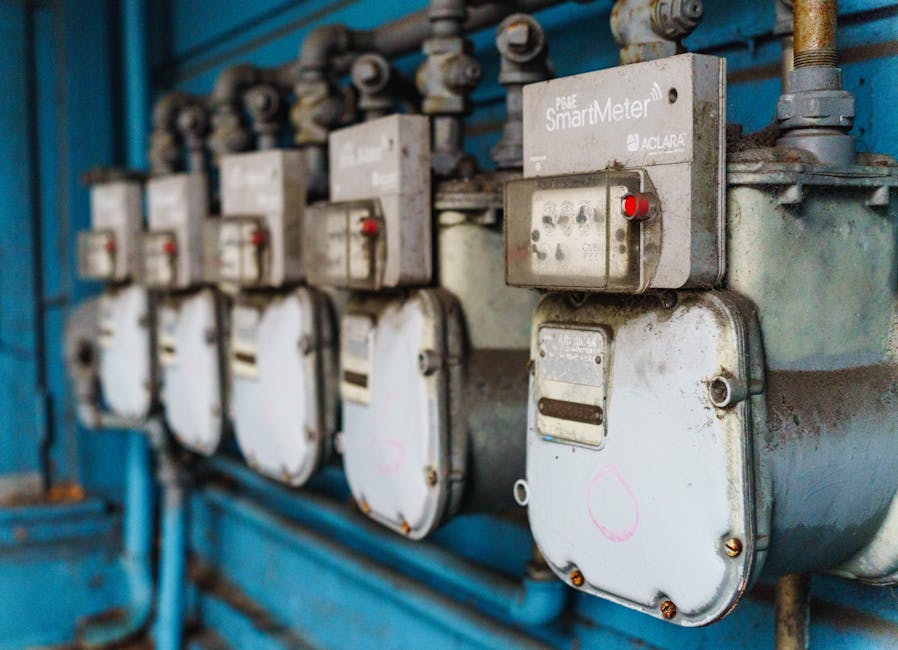
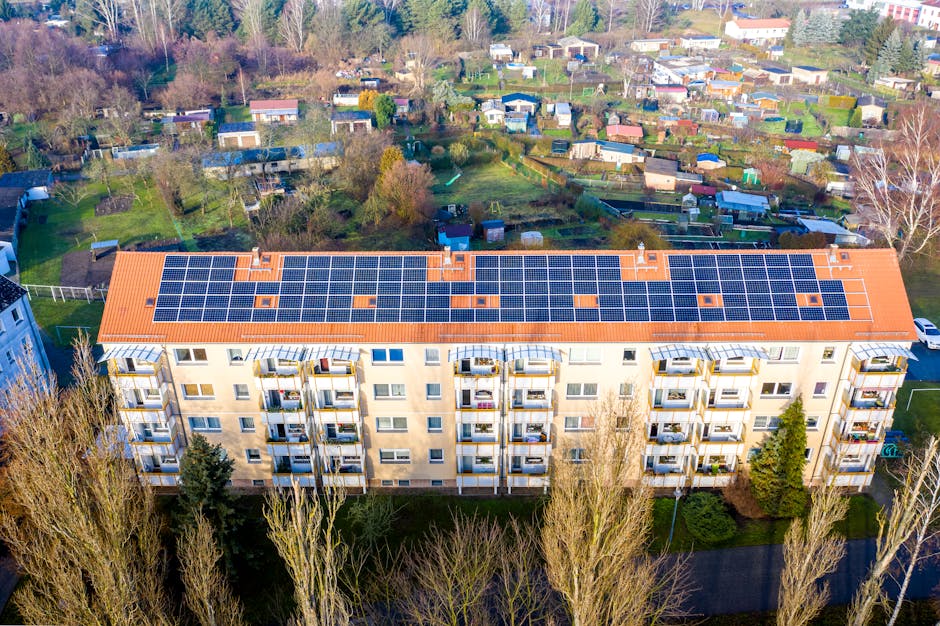
Energy monitors are the foundation of any management system. These devices measure real-time electricity consumption at the whole-home or individual-appliance level. Whole-home monitors connect to your breaker panel (or clip around a single wire for renters) and display total consumption via a mobile app. Individual smart plugs monitor specific appliances—refrigerators, water heaters, entertainment systems—revealing which devices consume the most power. In 2026, many energy monitors integrate with AI to predict consumption patterns and suggest optimization opportunities. Home energy monitors also track solar production for apartment dwellers with balcony solar panels, though this remains a niche solution. The data from these devices becomes actionable intelligence, allowing you to identify energy-hungry appliances and adjust usage accordingly.
Smart Thermostats and Climate Control
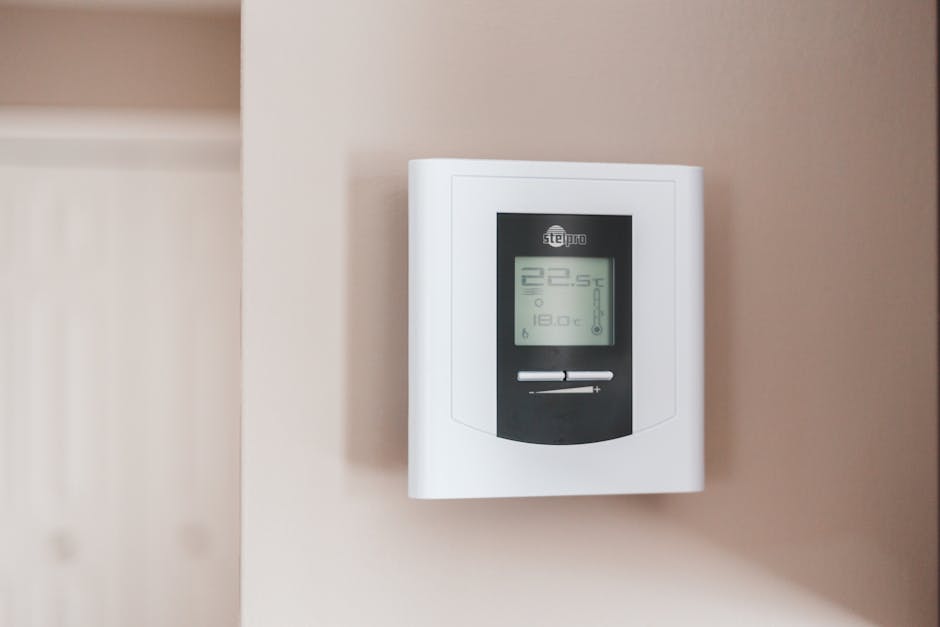
While renters often lack control over central HVAC systems, smart thermostats offer indirect optimization. Modern thermostats use geofencing technology to save money on heating and cooling by adjusting temperature setpoints when you leave home. Some systems learn your schedule and preferences, automatically lowering heating or cooling when the apartment is unoccupied. Portable mini-split AC units with smart controls provide renters with climate management without landlord permission. In May 2026, many smart thermostats support predictive algorithms that account for weather forecasts, occupancy patterns, and time-of-use electricity rates to minimize HVAC runtime during peak-rate hours.
Smart Lighting and Window Treatments
Smart blinds and shades save energy by blocking solar heat in summer and allowing passive warming in winter. Automated blinds open at sunrise to reduce artificial lighting needs and close before sunset to provide insulation. Smart LED bulbs consume 75% less energy than incandescent alternatives and support scheduling and brightness automation. Occupancy sensors ensure lights turn off when rooms are empty. These solutions are renter-friendly because they’re easily removable and require no permanent installation.
Smart Plugs and Power Management
Smart plugs save money on electric bills by eliminating phantom loads—the electricity devices consume while in standby mode. A typical apartment may waste 5–10% of energy on devices that aren’t actively in use. Smart power strips can cut power entirely to entertainment centers, computer setups, and kitchen appliances during off-hours. Scheduling features allow you to set specific on/off times for appliances like water heaters or pool pumps (if applicable). In 2026, advanced smart plugs include power-factor correction and harmonic filtering, improving overall electrical efficiency.
Energy Management Hubs and Dashboards
Central energy management hubs aggregate data from all connected devices and present it through intuitive dashboards. Setting up a smart home energy dashboard for Home Assistant allows tech-savvy users to create custom automation rules and visualizations. These platforms support real-time home energy monitoring with Home Assistant and other open-source platforms, giving you complete control without relying on proprietary cloud services. Commercial platforms like Amazon Alexa, Google Home, and Apple HomeKit also offer energy dashboard features that consolidate data from multiple device manufacturers.
Why Should Apartment Dwellers Invest in Energy Management Systems in 2026?
Apartment dwellers benefit from energy management systems for financial, environmental, and lifestyle reasons. Understanding the value proposition helps justify the initial investment and implementation effort.
Financial Savings and ROI
The average apartment household spends $1,500–$2,000 annually on electricity. Smart energy management systems typically deliver 15–30% energy savings, translating to $225–$600 per year. A complete system—including energy monitor, smart thermostat, smart plugs, and lighting—costs $300–$1,000 depending on features and brand. This means payback periods of 1.5–4 years, with continued savings thereafter. In 2026, many utility companies offer rebates for smart thermostat and energy monitor purchases, further reducing out-of-pocket costs. Some apartments qualify for government energy efficiency incentives through the U.S. Department of Energy programs, which can offset 25–50% of system costs.
Environmental Impact
Reducing residential energy consumption directly lowers carbon emissions. A 20% reduction in apartment energy use prevents approximately 1.5 metric tons of CO2 emissions annually—equivalent to planting 25 trees. As grid electricity increasingly comes from renewable sources, energy management becomes even more impactful. Apartments represent a significant portion of urban housing, so widespread adoption of energy management systems contributes meaningfully to climate goals.
Comfort and Control
Beyond savings, energy management systems enhance comfort through automated climate control, lighting that adjusts to circadian rhythms, and appliances that operate during your preferred times. Mobile app access means you can monitor and adjust settings from anywhere, providing peace of mind and convenience.
How Do You Implement Smart Energy Management in Your Apartment?
Implementing a smart energy management system requires a strategic approach that respects rental agreements and builds gradually. Follow this step-by-step process to maximize savings and minimize complications.
Step 1: Assess Your Current Energy Usage
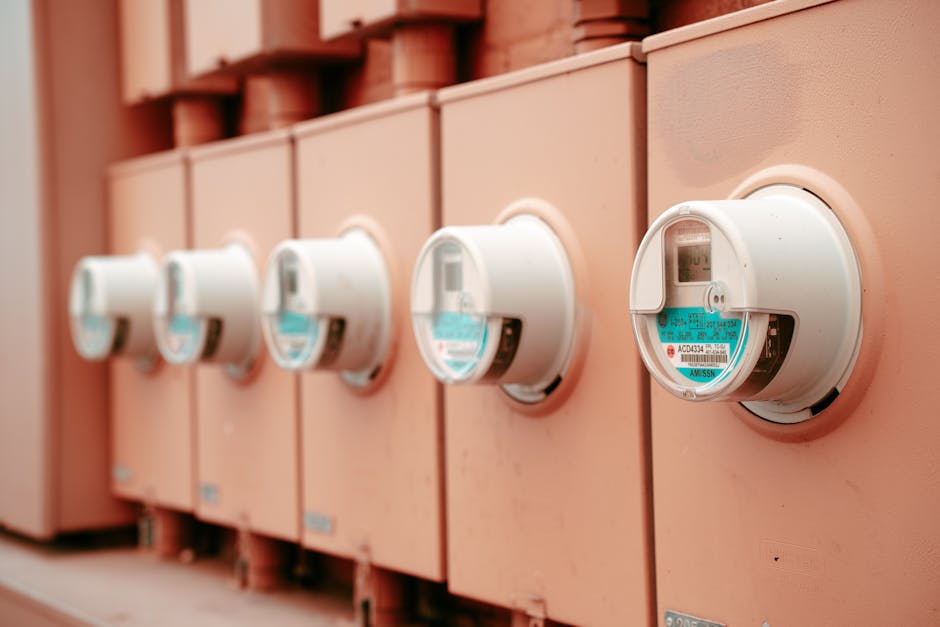
Before purchasing any devices, understand your baseline consumption. Review your last 12 months of electricity bills to identify seasonal patterns and average monthly usage. This baseline becomes your benchmark for measuring savings. Many utility companies offer free energy audits or online tools that estimate consumption by appliance type. In 2026, several utilities provide AI-powered analysis that compares your usage to similar apartments, highlighting outliers. If your apartment has an older refrigerator or inefficient water heater, these will likely emerge as top consumption drivers.
Step 2: Start with Energy Monitoring
Your first purchase should be an energy monitor. Whole-home monitors for renters typically clip around a single wire in your electrical panel or connect to a breaker without permanent installation. These devices cost $100–$300 and immediately reveal consumption patterns. Use the data for 2–4 weeks to identify your top energy consumers. Many renters are surprised to discover that old refrigerators, water heaters, or heating systems account for 40–60% of consumption. This data-driven approach ensures your subsequent purchases target the highest-impact opportunities.
Step 3: Optimize Heating and Cooling
HVAC typically represents 40–50% of apartment energy consumption. If your lease permits thermostat changes, install a smart thermostat with learning capabilities and geofencing. If your landlord controls the thermostat, explore portable mini-split AC units (for cooling) or space heaters with smart controls. Use geofencing to save money on heating and cooling by automating temperature adjustments based on occupancy. Program your system to reduce heating by 2–3 degrees in winter when you’re away or asleep, and increase cooling setpoints in summer during unoccupied hours. These adjustments alone often deliver 10–15% HVAC savings.
Step 4: Deploy Smart Plugs and Power Management
Smart plugs are the most renter-friendly devices and offer immediate impact. Prioritize plugs for: entertainment systems (TV, receiver, game consoles), computer setups, kitchen appliances (coffee makers, microwave, toaster), and water heaters (if accessible). Using smart plugs to automate coffee makers exemplifies the convenience factor—schedule your morning coffee to brew automatically while eliminating standby power consumption. Create schedules that turn off devices during peak rate hours (typically 4 PM–9 PM) or when you’re away. A single smart power strip can manage 6–10 devices, reducing clutter and cost. Budget $10–$30 per plug; a typical apartment benefits from 5–10 strategically placed plugs.
Step 5: Upgrade Lighting and Window Treatments
Replace incandescent and CFL bulbs with smart LED bulbs in high-use fixtures. Smart bulbs cost $8–$15 each and last 25,000+ hours. Program them to turn off automatically after 15 minutes in rooms like bathrooms and bedrooms. Install smart blinds and shades that save energy in windows receiving significant direct sunlight. Motorized blinds cost $100–$400 per window but provide year-round benefits: blocking summer heat and allowing winter solar gain. For renters, removable adhesive-mounted blinds offer a compromise.
Step 6: Integrate and Automate
Once individual devices are installed, integrate them into a central hub or platform. Home Assistant, Amazon Alexa, or Google Home can create automation routines that coordinate multiple devices. For example: when you leave home (via geofencing), the system could simultaneously lower thermostat setpoints, close blinds, turn off lights, and disable entertainment system power. These coordinated automations deliver greater savings than individual device optimization. Test automations for 1–2 weeks to ensure they don’t conflict with your lifestyle before finalizing settings.
Common Implementation Mistakes to Avoid
Overcomplicating the system: Don’t install every available device at once. Start with monitoring and high-impact devices, then expand gradually. Ignoring automation: Devices only save energy if actively used or automated. Scheduling and geofencing are critical for consistent savings. Neglecting firmware updates: Manufacturers regularly release updates that improve efficiency and security. Enable automatic updates on all devices. Choosing incompatible ecosystems: Verify that devices work with your chosen hub platform before purchasing. Overlooking phantom loads: Many renters forget to schedule power-downs for devices that consume significant standby power. Prioritize entertainment systems and computer peripherals for smart plug deployment.
What Features Should You Prioritize in an Apartment Energy Management System?
Not all energy management systems offer equal value for apartment dwellers. Focus on features that deliver measurable savings without requiring landlord permission or permanent installation.
Renter-Friendly Installation
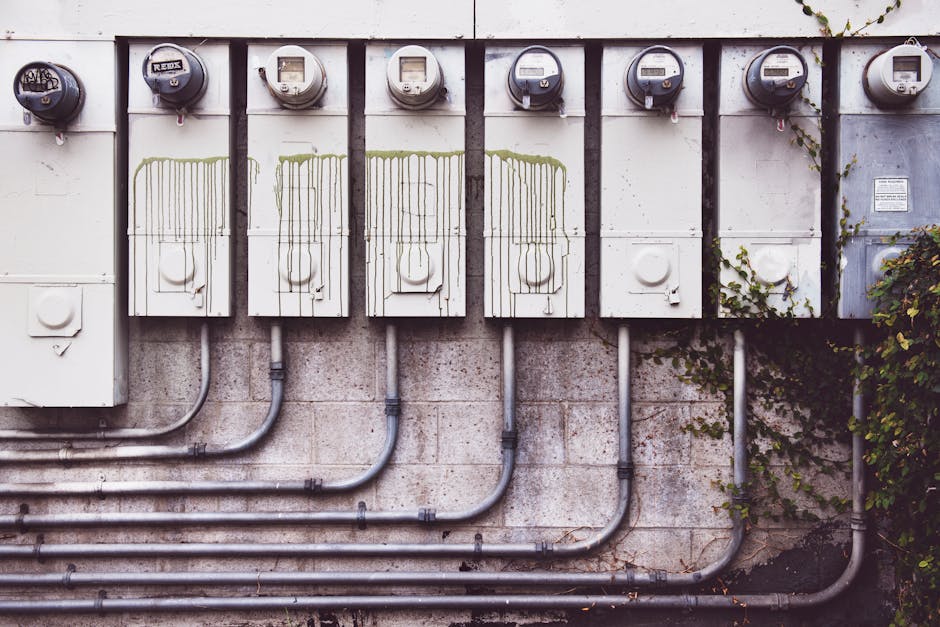
Prioritize devices that don’t require drilling, permanent wiring, or modifications to building infrastructure. Smart plugs, portable monitors, removable blinds, and wireless thermostats meet this criterion. Avoid systems requiring electrical panel access or modifications to HVAC ductwork unless you own the property.
Real-Time Data and Insights
Choose systems that provide granular, real-time consumption data by appliance or circuit. Platforms offering historical trends, predictive analytics, and consumption comparisons help you identify optimization opportunities. Mobile apps with push notifications alert you to unusual consumption spikes, indicating appliance malfunctions or inefficiency.
Automation and Scheduling Capabilities
Manual control is less effective than automated optimization. Prioritize systems supporting complex scheduling rules, occupancy detection, weather-responsive adjustments, and time-of-use rate optimization. The best systems learn your patterns and make recommendations without requiring constant manual intervention.
Integration and Ecosystem Compatibility
Choose a central platform (Home Assistant, Alexa, Google Home, or Apple HomeKit) and select devices compatible with that ecosystem. Cross-platform compatibility ensures devices can communicate and coordinate automations. Avoid proprietary systems that lock you into a single manufacturer.
Cost-Effectiveness and ROI
Calculate payback periods for each component. Devices with payback periods exceeding 5 years may not be worth the investment unless you plan to stay in the apartment long-term. Prioritize high-impact, low-cost devices first, then expand to lower-ROI solutions.
Frequently Asked Questions
Can renters install smart energy management systems without landlord permission?
Yes, renter-friendly devices like smart plugs, portable energy monitors, wireless thermostats, and removable smart blinds require no permanent installation or landlord approval. However, check your lease for any smart device restrictions. Avoid modifications to HVAC systems, electrical panels, or building infrastructure without explicit landlord consent. Most landlords welcome energy-saving devices that reduce utility costs and prevent damage.
How much can smart energy management systems reduce apartment electricity bills?
Most apartment dwellers achieve 15–30% electricity bill reductions through smart energy management. A typical $150 monthly bill could decrease by $22–$45. Savings depend on baseline consumption, system comprehensiveness, and behavioral changes. Apartments with older appliances or inefficient HVAC systems see higher savings percentages. Results typically appear within 2–3 months of implementation.
What is the typical cost to set up a complete apartment energy management system?
A comprehensive system costs $500–$1,500, including energy monitor ($100–$300), smart thermostat ($150–$300), smart plugs ($50–$150), smart lighting ($100–$200), and window treatments ($200–$600). Many utility companies offer rebates reducing costs by 25–50%. Payback periods typically range from 1.5–4 years, with continued savings thereafter. Start with a basic system ($300–$500) and expand gradually.
Do smart energy management systems work with older apartment buildings?
Yes, modern renter-friendly systems are designed for older buildings without smart infrastructure. Wireless devices don’t require building modifications. However, older buildings may have outdated electrical systems, aging HVAC equipment, or poor insulation that limits optimization potential. Energy monitoring helps identify where improvements provide the greatest returns. In some cases, addressing building-level issues (landlord-controlled) delivers better savings than individual apartment upgrades.
Which smart home platforms are best for apartment energy management in 2026?
Home Assistant offers the most flexibility and privacy for tech-savvy users. Amazon Alexa provides the broadest device compatibility and simplest setup. Google Home excels at automation and AI-driven insights. Apple HomeKit prioritizes privacy and security. Choose based on devices you already own, desired features, and technical comfort level. Most platforms support similar energy management functionality; ecosystem compatibility matters more than platform choice.
Can apartment energy management systems integrate with time-of-use electricity rates?
Yes, advanced systems can optimize consumption around time-of-use (TOU) rates where electricity costs vary by hour. Smart plugs and water heaters can defer operation to off-peak hours. Thermostats can pre-cool apartments before peak rate periods. You must first enroll in your utility’s TOU program (typically available in deregulated markets). Integration requires systems that accept utility rate schedules and support scheduled or predictive load shifting. This optimization delivers 10–20% additional savings for TOU participants.
Is Smart Home Energy Management Worth the Investment for Apartment Dwellers in 2026?
Smart home energy management systems represent a sound investment for most apartment dwellers in 2026, delivering measurable financial returns alongside environmental and lifestyle benefits. The financial case is compelling: a $500–$1,000 initial investment generates $225–$600 in annual savings, yielding payback periods of 1.5–4 years. Beyond that payback threshold, all savings represent pure profit. For renters planning to stay 3+ years, the ROI becomes increasingly attractive. Even renters planning shorter stays benefit from portable devices that move with them to future apartments.
The technology has matured significantly by 2026. Renter-friendly solutions eliminate installation barriers that previously required landlord cooperation. Wireless devices, portable monitors, and removable installations make apartment energy optimization accessible to anyone. Integration platforms have standardized around major ecosystems (Home Assistant, Alexa, Google Home), reducing compatibility headaches. AI-driven automation now handles optimization without constant manual intervention, making systems practical for non-technical users.
Environmental impact adds another dimension to the value proposition. Reducing apartment energy consumption by 20% prevents 1.5 metric tons of annual CO2 emissions. As grid electricity increasingly incorporates renewable sources, this impact grows. For environmentally conscious renters, energy management aligns personal financial interests with climate goals.
The primary consideration is your timeline. Renters planning to move within 12 months may not recover their investment. However, renters staying 2+ years should strongly consider at least a basic system (energy monitor + smart plugs + smart thermostat) costing $300–$600. This entry-level approach captures 60–70% of potential savings while minimizing upfront cost. Renters planning to stay 5+ years should consider comprehensive systems incorporating smart lighting, window treatments, and advanced automation.
One final consideration: technology evolution. Smart home devices improve annually, with new features and lower prices. Purchasing a complete system now means missing future improvements. A phased approach—starting with monitoring and high-impact devices, expanding gradually—balances immediate savings against future technology benefits. This strategy also allows you to learn which automation rules work best for your lifestyle before committing to comprehensive installation.
In conclusion, smart home energy management systems deliver strong returns for apartment dwellers committed to staying in their current residence for 2+ years. Start with energy monitoring to understand consumption patterns, then deploy high-impact devices like smart thermostats and plugs. Expand gradually to lighting and window treatments as budget and timeline permit. Integrate devices into a central platform to enable coordinated automation. This phased approach minimizes upfront cost while maximizing long-term savings and comfort. For most apartment dwellers, the combination of financial returns, environmental benefits, and lifestyle improvements makes smart energy management a worthwhile investment in 2026.




Write Your Review
No reviews yet. Be the first to share your experience!